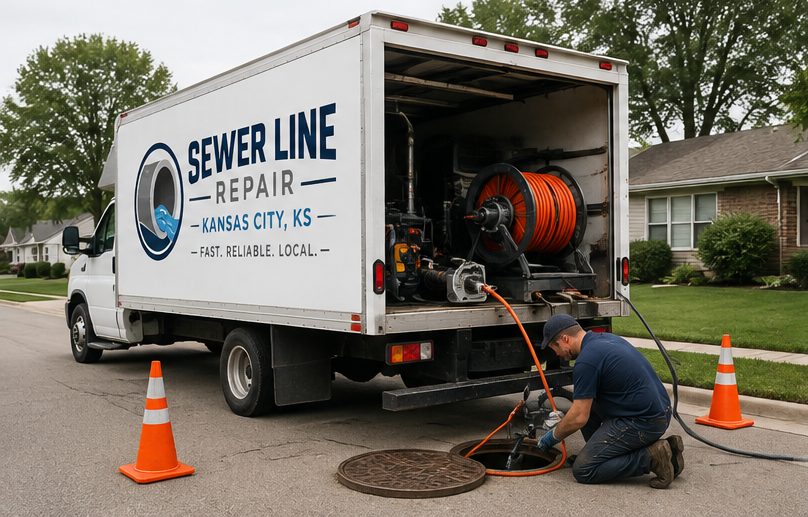
Protect more of the surface above
Sewer Repair Without Major Digging
Ask about no-dig sewer repair options. Get a Free Estimate
Protect more of the surface above
Ask about no-dig sewer repair options. Get a Free Estimate
For many property owners, the thought of sewer repair immediately brings up concerns about excavating lawns, drives, patios, sidewalks, or landscaped areas. Some sewer problems can be corrected without digging a continuous trench along the entire damaged line. These methods use limited access points and specialized repair techniques to work along the existing underground sewer path.
No-dig repair still depends on the condition of the existing sewer. A pipe that is badly collapsed, heavily offset, or inaccessible may require conventional excavation. Our approach is to determine whether reduced-excavation repair is technically sensible before recommending it. When it is, the method can lower surface disruption and reduce the amount of restoration required afterward.
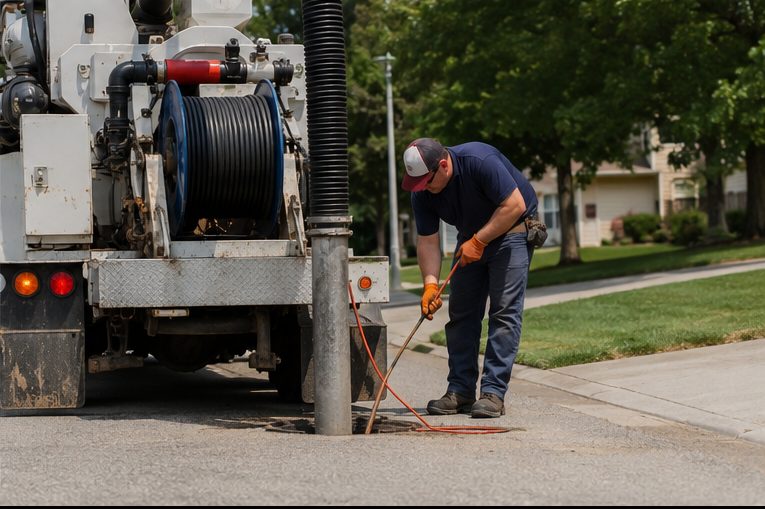
The strongest candidates typically have a defined sewer route, workable access, and pipe damage that can be rehabilitated without rebuilding the entire trench.
Certain structural defects may be suitable for rehabilitation when the pipe remains aligned and continuous.
After roots are cleared, sealing or rehabilitating suitable pipe can address openings that have allowed repeated intrusion.
Limited excavation can help preserve established yards, planting areas, and other surface features.
Reducing open trench work may limit the amount of driveway, patio, or walkway surface that must be removed and restored.
| Service | Estimated Cost | Average |
|---|---|---|
| Localized no-dig repair | $3,000–$7,000 | $5,000 |
| Moderate no-dig rehabilitation | $6,000–$12,000 | $9,000 |
| Long or difficult no-dig project | $10,000–$20,000+ | $15,000 |
No-dig pricing depends on pipe length, access, preparation, depth, diameter, structural condition, and the repair system required.
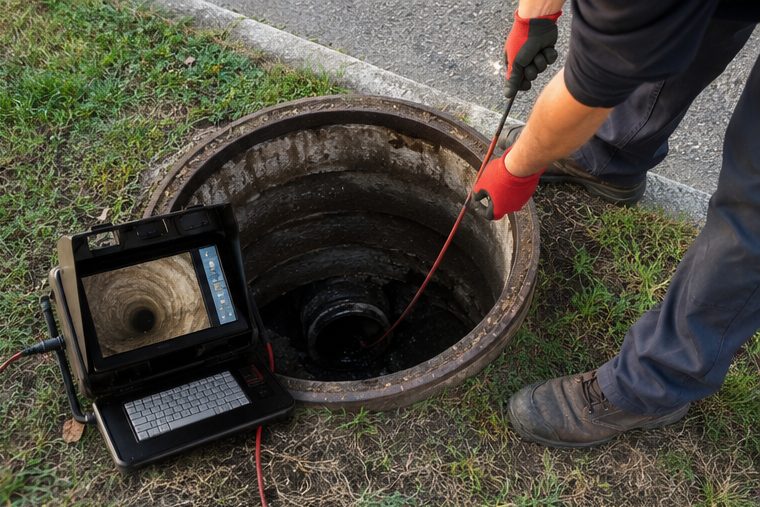
We consider reduced-excavation methods where they make technical sense rather than presenting them as the answer to every sewer failure.
Suitable no-dig methods can reduce the amount of lawn, pavement, or landscaping disturbed during repair.
We explain when no-dig work is practical and when conventional excavation may provide a more reliable result.
Before assuming your yard has to be opened from end to end, find out whether your sewer is a candidate for reduced-excavation repair. [CTA:estimate]
Free — no obligations
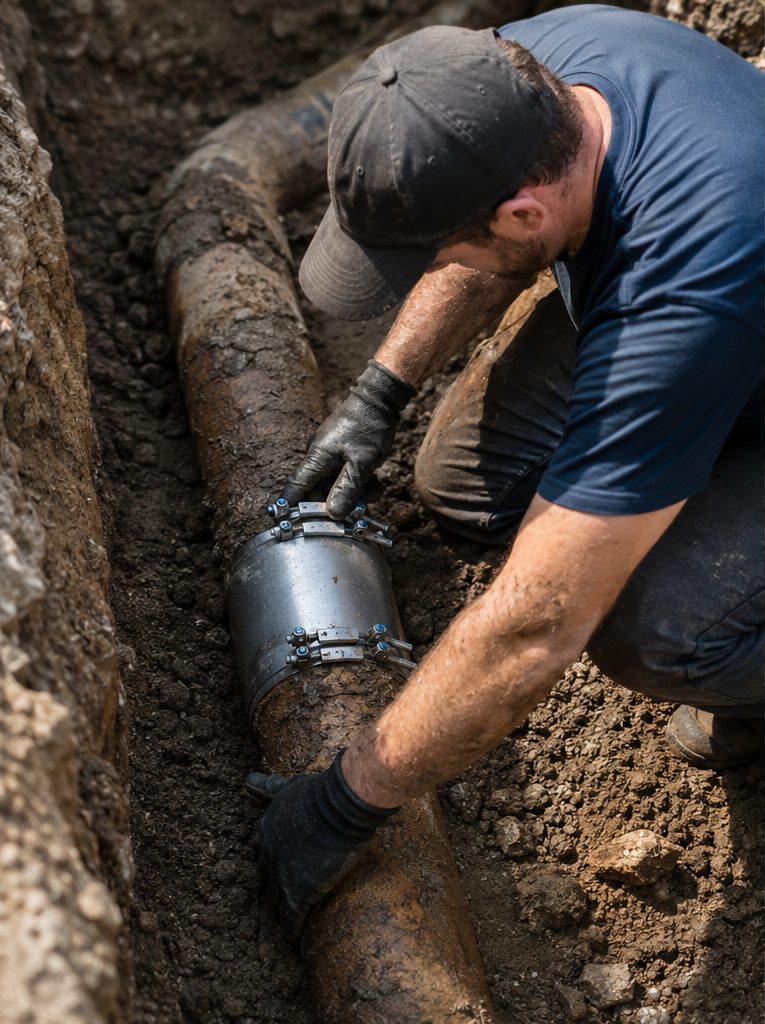
The location, alignment, structural damage, and accessibility of the line are considered first.
Buildup or roots may need to be removed so the sewer is ready for the selected repair method.
Existing cleanouts or small access areas are used where possible to avoid opening the full sewer route.
The chosen method restores or replaces the qualifying section of underground sewer.
The repaired sewer is checked for proper flow and completion of the planned work.