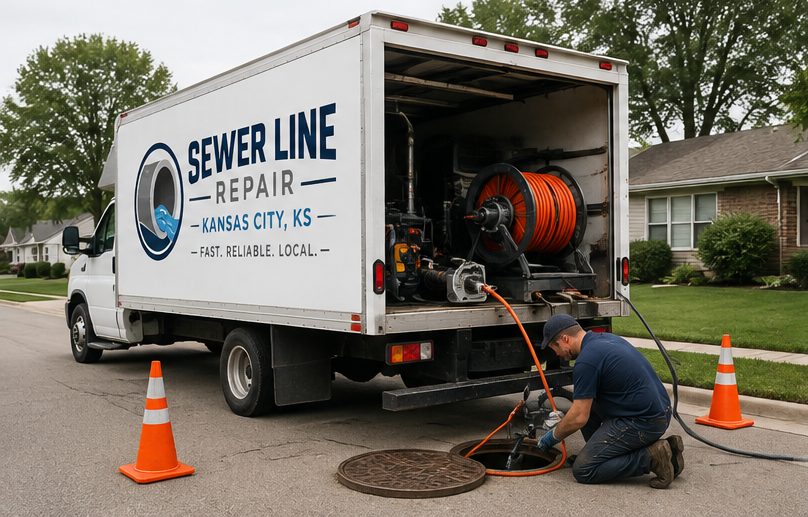
Less excavation where conditions allow
Trenchless Sewer Repair
See whether your sewer may qualify. Get a Free Estimate
Less excavation where conditions allow
See whether your sewer may qualify. Get a Free Estimate
Traditional sewer work can require opening a long trench above the damaged pipe. Trenchless sewer repair is designed to reduce that excavation by using access points to rehabilitate or replace qualifying sections underground. That can make a major difference when a sewer line runs beneath landscaping, patios, driveways, walkways, or other finished areas.
Trenchless repair is not the right method for every pipe. Severe collapse, major offsets, poor access, or certain structural conditions can make excavation necessary. When the line is a good candidate, however, a trenchless approach can reduce surface disturbance while creating a durable sewer repair. We evaluate the condition and route of the line before recommending the method.
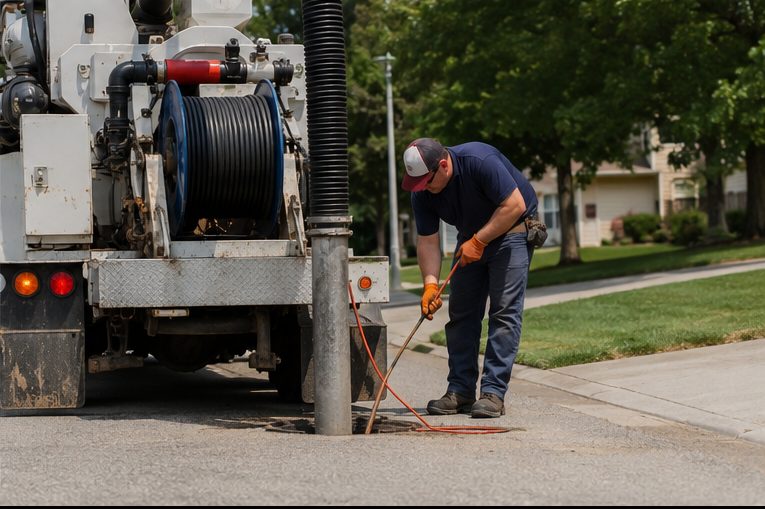
Trenchless methods work best when enough of the existing sewer path remains usable to support rehabilitation or replacement without opening the full run.
Some cracked sewer lines remain structurally positioned well enough for trenchless rehabilitation, depending on the severity of damage.
After roots and debris are removed, some affected lines can be rehabilitated to seal openings and restore a smoother interior.
Avoiding a full trench may help reduce damage to drives, patios, landscaping, and other areas above the sewer route.
When conditions are suitable, trenchless methods can be especially useful on longer pipe runs where conventional excavation would create substantial disruption.
| Service | Estimated Cost | Average |
|---|---|---|
| Short trenchless repair | $3,500–$7,000 | $5,250 |
| Moderate trenchless rehabilitation | $6,000–$12,000 | $9,000 |
| Long or complex trenchless project | $10,000–$20,000+ | $15,000 |
Planning ranges vary by pipe diameter, length, access, depth, preparation needs, repair method, and existing pipe condition.
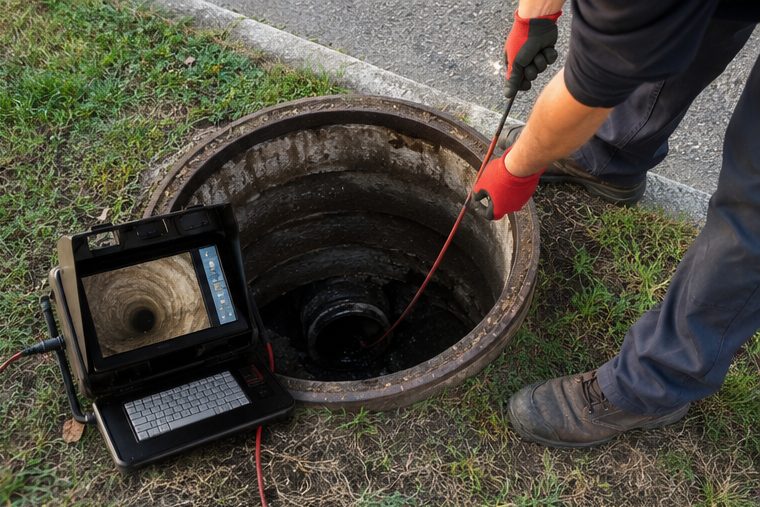
We do not assume trenchless is automatically the best option. The pipe and property conditions have to support the method.
Where trenchless repair is appropriate, it can avoid opening a continuous trench across finished areas.
We compare trenchless repair with conventional alternatives so the recommendation is based on the sewer problem rather than a preferred sales method.
Concerned about digging through your yard or driveway? Ask whether a trenchless sewer repair may fit your property. [CTA:estimate]
Free — no obligations
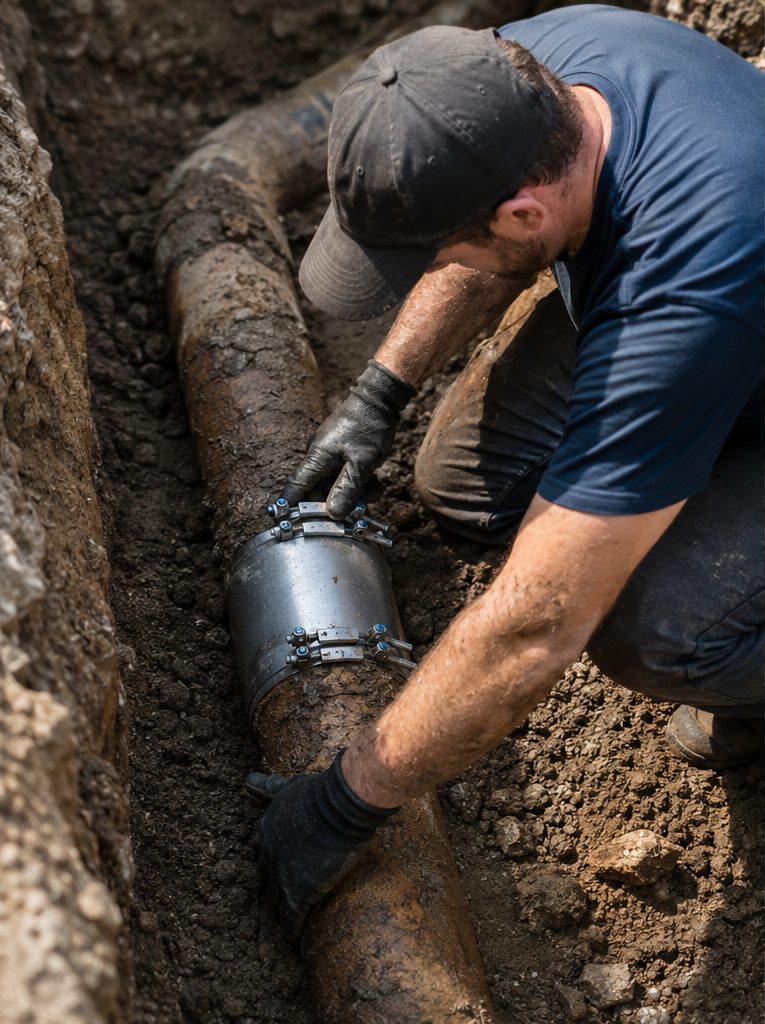
We determine whether the pipe is a reasonable candidate based on damage, alignment, access, and overall condition.
Roots, buildup, and other obstructions may need to be removed before trenchless work can proceed.
The repair is performed through available or prepared access areas rather than a full-length trench.
The selected trenchless method rehabilitates or replaces the damaged section along the existing sewer route.
The completed line is checked to confirm that wastewater can move through the repaired section as intended.